

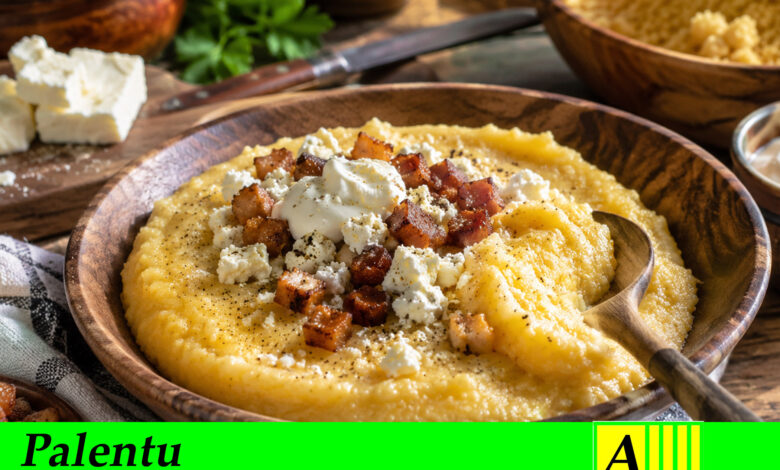
Palentu is a word that many people search for when they want to learn about a simple cornmeal food. In many cases, “Palentu” is linked to “palenta,” which is another name for polenta in some Balkan languages. Polenta is a warm and soft dish made from cornmeal and water. It is easy to cook, filling, and useful in many meals.
This food may look simple, but it has a long food history. It is eaten in many homes because it is cheap, quick, and easy to serve with many other foods. Some people eat it for breakfast. Some eat it with meat, fish, cheese, vegetables, or sauce. It can be soft like porridge, or it can be cooled, sliced, and fried or baked.
If you have seen the word Palentu online and felt confused, this guide will help you understand it in a clear way. You will learn what it means, how it is used, how it is cooked, and what food ideas you can try at home.
What Does Palentu Mean?
Palentu is not a common English food word. It is usually connected to the word “palenta.” Palenta is used in some South Slavic languages, such as Croatian, Serbian, and Bosnian, for a cornmeal dish that is very close to polenta.
In simple words, Palentu can be understood as a form of the word palenta. When people search for Palentu, they are often looking for information about palenta or polenta. So, the main meaning is linked to cooked cornmeal.
In English, most people use the word “polenta.” In the Balkans, people may say “palenta.” In some areas, similar dishes may also have other names. The names can change from country to country, but the basic idea is often the same: cornmeal cooked with water or milk until it becomes thick and soft.
What Is Palentu Made From?
Palentu, or palenta, is made from cornmeal. Cornmeal is dried corn that has been ground into small pieces. It can be fine, medium, or coarse. The size of the cornmeal changes the texture of the dish.
The basic ingredients are very simple:
- Cornmeal
- Water
- Salt
Some people also add milk, butter, cheese, cream, or olive oil. These make the dish richer and smoother. You can keep it plain, or you can make it more tasty with extra ingredients.
The most common type is yellow cornmeal, but white cornmeal can also be used in some places. Yellow cornmeal gives a warm yellow color. White cornmeal gives a lighter color and a softer look.
Is Palentu the Same as Polenta?
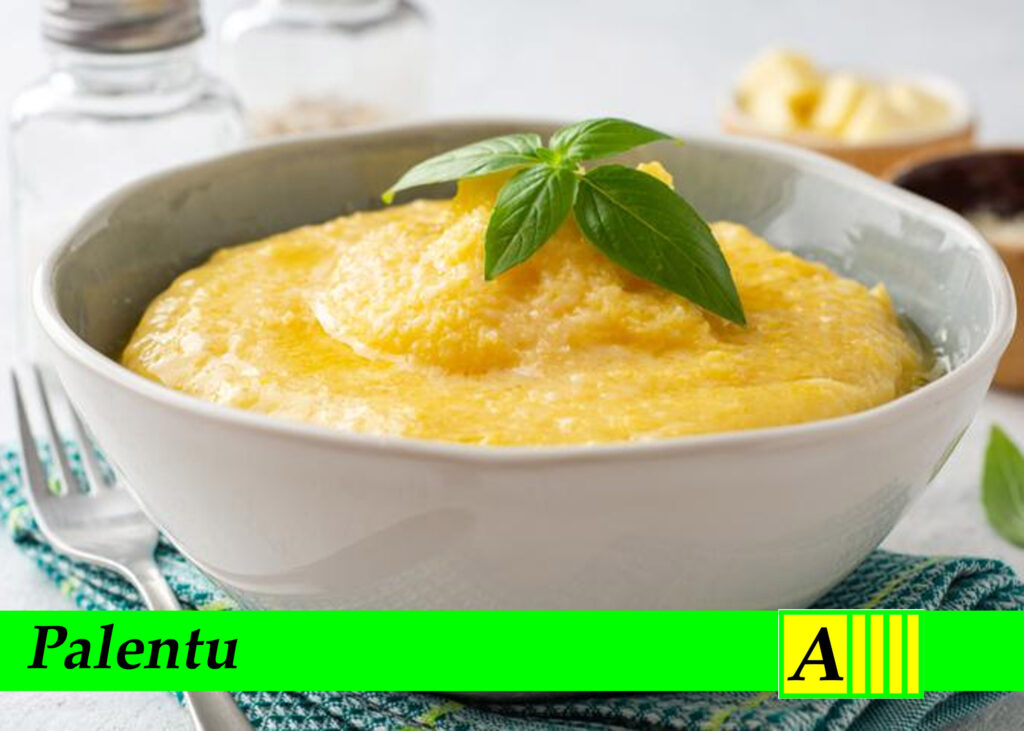
Palentu is closely related to polenta, but the spelling is different. Polenta is the common English and Italian name. Palenta is a common name in some Balkan areas. Palentu may appear as a word form of palenta, or people may type it when they mean palenta or polenta.
The food itself is very similar. It is a cornmeal dish cooked in liquid. It can be creamy, thick, firm, baked, fried, or grilled.
The main difference is not the food, but the language and local style. In Italy, polenta is often served with meat sauce, mushrooms, cheese, or stew. In Balkan homes, palenta may be served with yogurt, sour cream, cheese, milk, eggs, or meat dishes.
So, if you ask, “What is Palentu?” the simple answer is this: Palentu is connected to palenta, a cornmeal dish similar to polenta.
A Short History of Palentu and Polenta
Polenta has old roots in European cooking. Before corn came to Europe, people made similar soft dishes from other grains, such as barley, millet, or buckwheat. Later, corn became popular in many parts of Europe. It was easy to grow and useful for feeding families.
Cornmeal dishes became common because they were cheap and filling. People could make a warm meal with only a few ingredients. This made palenta or polenta an important food for workers, farmers, and families with simple kitchens.
Over time, the dish became more than a basic meal. Today, polenta is served in homes and restaurants. It can be rustic and simple, or it can be part of a special dinner. This is one reason why Palentu is still an interesting food topic. It shows how a simple food can stay useful for many years.
How Does Palentu Taste?
Plain Palentu has a mild corn taste. It is not very strong. This is why it works well with many foods. It can take on the taste of sauces, cheese, butter, vegetables, or meat.
When it is cooked with water and salt, it tastes simple and light. When butter or cheese is added, it becomes richer and creamier. If it is fried after cooling, it can become crispy on the outside and soft inside.
The texture depends on how it is cooked. Soft Palentu is smooth and creamy. Thick Palentu is firm and can hold its shape. Fried or baked Palentu has a golden outside and a warm middle.
How to Cook Basic Palentu
Cooking Palentu is easy, but it needs a little care. The main thing is to stir it well so it does not form lumps.
A simple way to cook it is:
- Boil water in a pot.
- Add a little salt.
- Slowly pour in cornmeal while stirring.
- Keep stirring until it becomes thick.
- Cook it on low heat until it is soft.
- Add butter, cheese, or oil if you like.
The cooking time depends on the cornmeal. Fine cornmeal cooks faster. Coarse cornmeal takes longer. Instant cornmeal can cook in a few minutes, while traditional cornmeal may need more time.
A good tip is to add the cornmeal slowly. Do not pour it all at once. This helps stop lumps from forming. If the Palentu becomes too thick, add a little more hot water or milk and stir again.
Common Ways to Serve Palentu
Palentu can be served in many ways. This is one of the best things about it. It can be a main dish, a side dish, or even a breakfast meal.
Palentu with Cheese
This is one of the easiest ways to enjoy it. Add soft cheese, feta, parmesan, or any cheese you like. The cheese melts into the warm cornmeal and gives a rich taste.
Palentu with Yogurt or Sour Cream
In many Balkan homes, palenta is served with yogurt or sour cream. This makes the meal fresh and creamy. It is also a good choice for breakfast or a light dinner.
Palentu with Meat Sauce
Soft Palentu goes very well with meat sauce. You can serve it with beef stew, chicken sauce, sausage, or minced meat. The cornmeal soaks up the sauce and makes the meal filling.
Palentu with Vegetables
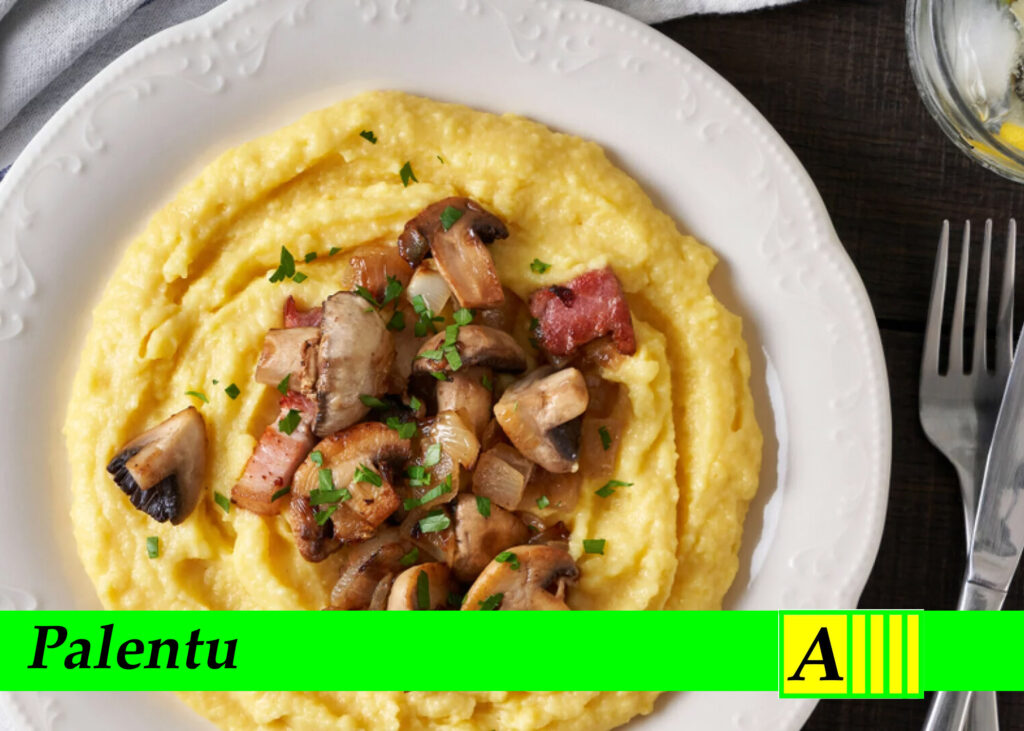
You can add roasted vegetables, mushrooms, spinach, tomatoes, or peppers. This is a good option if you want a lighter meal. It also adds color and more flavor.
Fried Palentu
If you have leftover Palentu, spread it in a flat dish and let it cool. When it becomes firm, cut it into slices. Then fry the slices in a pan until golden. You can serve them with sauce, cheese, eggs, or salad.
Baked Palentu
Firm Palentu can also be baked. Place slices in a baking dish, add cheese, tomato sauce, or vegetables, and bake until warm and golden. This is a good way to make leftovers taste fresh again.
Food Ideas Using Palentu
Here are some easy food ideas you can try at home.
1. Creamy Breakfast Palentu
Cook Palentu with water or milk. Add a little butter and salt. Serve it with yogurt, cheese, or a boiled egg. This makes a warm and simple breakfast.
2. Palentu with Mushrooms
Cook mushrooms with garlic, onion, and a little oil. Serve them over soft Palentu. This meal is simple, but it feels rich and warm.
3. Palentu with Tomato Sauce
Make a tomato sauce with garlic, onion, herbs, and olive oil. Pour it over soft Palentu. Add cheese on top if you like.
4. Palentu Fries
Cool cooked Palentu until firm. Cut it into long pieces like fries. Bake or fry them until crispy. Serve with ketchup, yogurt sauce, or garlic dip.
5. Palentu with Grilled Fish
Palentu is a good side dish for fish. It gives a soft base and balances the strong taste of grilled or fried fish.
6. Palentu with Chicken Stew
Serve creamy Palentu with chicken stew. The sauce makes the cornmeal more tasty and filling.
7. Sweet Palentu
Some people enjoy Palentu with milk, honey, sugar, or fruit. This version is softer and can be eaten as a sweet breakfast or dessert.
Is Palentu Healthy?
Palentu can be part of a healthy meal, but it depends on how you prepare it. Cornmeal gives carbohydrates, which give energy. It is also naturally gluten-free, but people with gluten problems should still check the package because some products may be processed near wheat.
Plain Palentu is simple and not heavy. But if you add a lot of butter, cream, or cheese, it becomes higher in fat and calories. That does not mean it is bad. It just means you should balance it with vegetables, lean meat, fish, or salad.
For a lighter version, cook it with water, use a small amount of oil, and serve it with vegetables. For a richer version, add cheese, butter, or milk.
How to Store Leftover Palentu
Leftover Palentu is easy to store. Put it in a container and keep it in the fridge. It will become firm as it cools. You can use it the next day in different ways.
You can:
- Slice and fry it
- Bake it with cheese
- Cut it into cubes for soup
- Grill it
- Reheat it with a little water or milk
If you want it creamy again, add a small amount of hot water or milk while reheating. Stir well until it softens.
Why People Like Palentu
People like Palentu because it is simple, cheap, and flexible. You do not need many ingredients. You can make it in a short time. It can be soft, firm, plain, rich, salty, or sweet.
It is also a comfort food. A bowl of warm Palentu can feel simple and homely. Many people connect it with family meals, cold days, and easy cooking.
Another reason it is popular is that it works with many food styles. You can serve it with Balkan dishes, Italian sauces, grilled meat, fish, eggs, vegetables, or cheese. It is useful for breakfast, lunch, and dinner.
Tips for Making Better Palentu
Use the right amount of liquid. If you want soft Palentu, use more water or milk. If you want firm Palentu, use less liquid.
Stir often while cooking. This helps make the texture smooth.
Add salt early. Cornmeal can taste flat without enough salt.
Use good toppings. Since Palentu has a mild taste, toppings are important.
Serve it warm if you want it creamy. It gets firm as it cools.
Do not throw away leftovers. Leftover Palentu can become fried slices, baked layers, or crispy sticks.
Conclusion
Palentu is a simple and useful cornmeal dish linked to palenta and polenta. It is made with basic ingredients like cornmeal, water, and salt, but it can be served in many tasty ways. You can enjoy it soft and creamy with cheese, yogurt, meat sauce, fish, or vegetables. You can also cool it, slice it, and fry or bake it for a different texture.
This dish is popular because it is easy to cook, budget-friendly, and filling. It can be a good choice for breakfast, lunch, or dinner. Whether you call it Palentu, palenta, or polenta, it is a warm and comforting food that can fit into many meals. Its simple taste makes it easy to enjoy with both light and rich toppings.
Frequently Asked Questions About Palentu
1. What is Palentu?
Palentu is connected to palenta, a cornmeal dish similar to polenta. It is usually made by cooking cornmeal with water and salt until it becomes thick and soft.
2. Is Palentu the same as polenta?
Yes, it is very close. Polenta is the common English and Italian word. Palenta is used in some Balkan languages. Palentu is likely a form or spelling linked to palenta.
3. What is Palentu made of?
Palentu is mainly made of cornmeal, water, and salt. Some people add milk, butter, cheese, cream, or oil for more taste.
4. Can I eat Palentu for breakfast?
Yes. Many people eat it for breakfast with yogurt, cheese, milk, eggs, or sour cream. It is warm and filling.
5. Is Palentu gluten-free?
Cornmeal is naturally gluten-free. But if you need a strict gluten-free diet, check the package to make sure it was not processed near wheat.
6. How do you stop lumps in Palentu?
Add the cornmeal slowly while stirring all the time. Do not pour it in all at once. Keep stirring until it becomes smooth.
7. Can I fry Palentu?
Yes. Cook it first, let it cool until firm, cut it into slices, and fry it in a pan until golden and crispy.
8. What can I serve with Palentu?
You can serve it with cheese, yogurt, sour cream, meat sauce, mushrooms, vegetables, fish, chicken, eggs, or tomato sauce.
9. Can I make sweet Palentu?
Yes. You can cook it with milk and serve it with honey, sugar, fruit, or cinnamon. This makes it good for breakfast or dessert.
10. How long can I keep leftover Palentu?
You can keep leftover Palentu in the fridge for a few days in a closed container. Reheat it with a little water or milk, or slice and fry it.
Visit For More Info : Aurora Magazine