
Removing car clips, trim, panels, and small plastic parts can feel hard when you are new to car repair. Many beginners use a screwdriver because it is easy to find. But this can be a mistake. A metal screwdriver can scratch paint, bend clips, mark plastic, or break small parts inside the car.
This is where a levapioli tool can help.
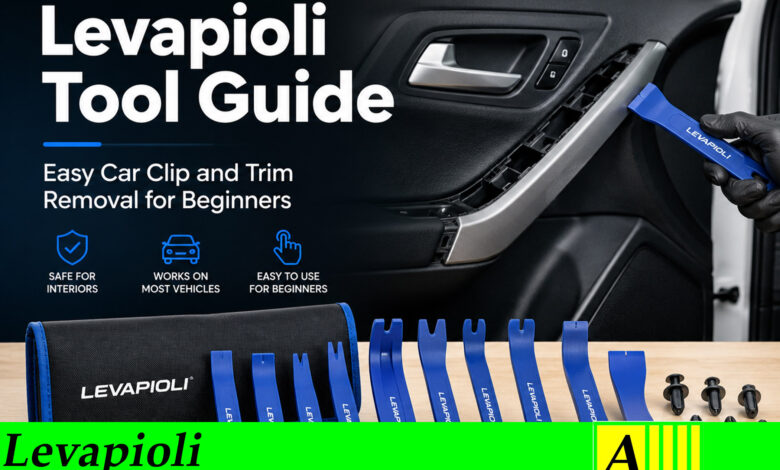
A levapioli is a simple tool used to remove pins, clips, fasteners, and trim parts from cars. It is often used in car body repair, interior repair, and small garage jobs. Some levapioli tools are made from nylon or plastic. Others are made from metal or stainless steel. Each type has its own use.
This guide explains what a levapioli tool is, how it works, when to use it, and how beginners can remove car clips and trim safely.
What Is a Levapioli Tool?
A levapioli tool is a trim pin remover. It is used to lift, loosen, and remove small clips or pins that hold car parts in place.
The word “levapioli” is Italian. It is often used for tools that remove pins or pegs. In car repair, it usually means a tool for removing trim clips, body clips, door panel clips, dashboard parts, and other small fasteners.
Many car parts are not held only by screws. They are also held by plastic clips. These clips are common in:
- Door panels
- Dashboard parts
- Boot trim
- External trim
- Wheel arch liners
- Bumper parts
- Interior plastic covers
- Small panels around radios or vents
A levapioli tool helps remove these parts without using too much force. It spreads the pressure and gives better control than a normal screwdriver.
Why Car Clips Need the Right Tool
Car clips may look simple, but they can break easily. Most clips are made from plastic. Over time, heat, cold, dust, and age can make them weak. If you pull them the wrong way, they can snap.
Using the wrong tool can cause many problems, such as:
- Broken clips
- Scratched paint
- Damaged door panels
- Bent trim parts
- Cracked plastic
- Loose panels after reassembly
- Extra repair costs
A levapioli tool is shaped to slide under clips and trim parts. It can lift the clip more evenly. This makes the job safer and cleaner.
For beginners, this is very important. You may not know where each clip is placed. A proper trim tool helps you work slowly and avoid damage.
Common Types of Levapioli Tools

Levapioli tools come in different shapes and materials. The best tool depends on the part you want to remove.
1. Nylon Levapioli Tools
Nylon tools are very popular for car interiors. They are softer than metal, so they are less likely to scratch plastic, leather, paint, or soft trim.
Nylon levapioli tools are good for:
- Door panels
- Dashboard parts
- Radio trims
- Air vent trims
- Small plastic covers
- Interior clips
- Delicate surfaces
For beginners, nylon tools are often the safest choice. They may bend a little under pressure, but this can also protect the car surface.
2. Metal Levapioli Tools
Metal levapioli tools are stronger than nylon tools. They are useful when clips are tight, old, or stuck. They can give more lifting power.
Metal tools are good for:
- Strong body clips
- Wheel arch clips
- Underbody clips
- Hard plastic fasteners
- Clips that need more force
But metal tools must be used with care. If you press too hard, you can scratch paint or damage trim. It is a good idea to place a cloth or tape under the tool when working near painted parts.
3. Stainless-Steel Levapioli Tools
Some levapioli tools have stainless-steel blades. These are strong and can be useful in body repair work. They often have a thin blade that can slide under clips and pins.
They are good for jobs where you need more strength and a thinner edge. But they are not always the best choice for soft interior surfaces.
4. Clip Removal Pliers
Clip removal pliers are another useful tool. They look like pliers but have a special end that helps pull clips out. They are helpful when the clip head is easy to reach.
These pliers are good for clips in:
- Door panels
- Engine bay covers
- Bumper areas
- Wheel arch liners
They can save time, but they should still be used gently.
What Can You Remove With a Levapioli Tool?
A levapioli tool is useful for many small car repair jobs. You can use it to remove:
- Plastic clips
- Trim pins
- Door panel fasteners
- Dashboard parts
- Radio surrounds
- Air vent frames
- Boot panels
- Seat trim covers
- Exterior moulding
- Small body clips
- Snap rings on some parts
It is also useful when installing a new stereo, changing speakers, repairing door locks, replacing a window switch, or cleaning behind interior panels.
How to Use a Levapioli Tool Safely
Using a levapioli tool is not difficult, but you need patience. Most damage happens when someone pulls too fast or uses too much force.
Follow these steps.
Step 1: Check the Part First
Before you start, look closely at the panel or trim part. Check if there are screws, covers, or hidden bolts. Some car panels have clips and screws together.
Do not force the panel if it does not move. There may be a screw hidden under a cap, handle, or rubber cover.
Step 2: Choose the Right Tool
Use a nylon tool for soft or painted areas. Use a metal tool only when you need more strength.
For beginners, start with the softest tool first. If the clip is very tight, then move to a stronger tool.
Step 3: Find the Clip Point
Slide the tool slowly under the trim edge. Try to feel where the clip is. Clips are usually placed along the edge of a panel.
When you find the clip, place the tool as close to the clip as possible. This helps remove it without bending the panel.
Step 4: Lift Slowly
Do not pull hard at once. Use steady pressure. Lift the clip a little, then stop. If it feels stuck, move the tool slightly and try again.
A small pop sound is normal when a clip comes loose. But a sharp cracking sound may mean the plastic is breaking.
Step 5: Support the Panel
Hold the panel with your other hand while lifting the clip. This stops the panel from bending too much.
Large panels, like door panels, need support. If one side is free and the other side is still clipped, the panel can twist and crack.
Step 6: Remove Clips One by One
Do not try to pull the whole panel off from one side. Work around the panel and release each clip one at a time.
This is slower, but it is much safer.
Step 7: Check the Clips After Removal
After the panel is off, check each clip. If a clip is broken, replace it before putting the panel back. Broken clips can cause rattling sounds later.
Beginner Mistakes to Avoid
Many beginners make the same mistakes when removing car trim. Avoid these common problems.
Using a Screwdriver Without Protection
A screwdriver is hard and sharp. It can leave marks very quickly. If you must use a screwdriver, cover the tip with tape. But a levapioli tool is still better.
Pulling Too Hard
If the panel does not move, there is a reason. There may be a hidden screw or a tight clip. Stop and check before using more force.
Starting in the Wrong Place
Some panels have a correct starting point. For example, a door panel may need the switch panel removed first. Always look for small covers, screws, or gaps.
Not Replacing Broken Clips
A broken clip may seem small, but it can cause noise and loose trim. Always replace damaged clips.
Using Metal Tools on Soft Trim
Metal tools can damage soft surfaces. Use nylon tools first when working inside the car.
How to Pick the Best Levapioli Tool Kit
If you are a beginner, you do not need a very large kit. A small set of good tools is enough for most simple jobs.
Look for these features.
Different Shapes
A good kit should include flat tools, fork-shaped tools, and angled tools. Different shapes help you reach different clips.
Nylon Tools for Safety
Nylon tools are useful for most interior jobs. They are safer for dashboards, door panels, and painted areas.
Strong Handle Grip
The tool should feel comfortable in your hand. A good grip gives better control and lowers the risk of slipping.
Thin Edge
A thin edge helps the tool slide under trim. But it should not be so weak that it bends too much.
Clip Pliers
A kit with clip pliers can be helpful if you often work on bumpers, door panels, or wheel arch liners.
Nylon vs Metal Levapioli: Which One Is Better?
There is no single best choice for every job. Both types are useful.
Nylon tools are better for delicate jobs. They are safer for beginners and less likely to leave marks.
Metal tools are better for strong clips and harder jobs. They can remove tight fasteners, but they need more care.
For most beginners, the best choice is to start with a nylon set. Later, you can add one or two metal tools for tougher work.
Where Levapioli Tools Are Used Most
Levapioli tools are common in body shops and repair garages. But they are also useful at home.
You may need one when you:
- Install a car stereo
- Change door speakers
- Remove a door panel
- Fix a window switch
- Replace a mirror cover
- Remove bumper clips
- Clean under trim
- Repair dashboard parts
- Change interior lights
- Remove boot trim
Even if you only do small car jobs, a levapioli tool can save time and reduce damage.
Safety Tips Before You Start
Before removing any car trim, follow a few safety tips.
Turn off the car before working inside it. If you work near airbag areas, be very careful. Airbags can be dangerous if handled the wrong way. Do not remove parts near airbags unless you know the correct method for your car.
If you are working on electrical parts, such as window switches or radio trim, disconnect the battery if needed. This can help prevent short circuits.
Keep your clips and screws in a small box. Many clips look similar, but they may not be the same size. Keeping them in order makes reassembly easier.
Also, work in good light. You need to see small gaps, screws, and clips clearly.
How to Put the Trim Back
Removing the trim is only half the job. You also need to put it back the right way.
First, check that all clips are in the correct place. If a clip stayed inside the car body, remove it and place it back on the panel.
Next, line up the panel with the holes. Press near each clip point, not in the middle of the panel. Press firmly but gently until the clip snaps back in.
Do not hit the panel hard. If a clip does not go in, check its position. It may be bent, broken, or not lined up.
After the panel is back, check for gaps. Also check if switches, handles, and lights still work.
Simple Care Tips for Levapioli Tools

Levapioli tools do not need much care, but a few simple habits can make them last longer.
Clean the tools after use. Dust and grease can make them slippery. Store them in a small bag or box so the edges do not get damaged.
Do not use nylon tools for very heavy prying. They can bend or break. Do not use metal tools as a hammer or chisel. They are made for lifting clips, not cutting or hitting.
If a tool edge becomes sharp or rough, be careful. It may scratch trim. You can smooth a rough nylon edge with fine sandpaper.
Is a Levapioli Tool Worth Buying?
Yes, a levapioli tool is worth buying if you work on cars, even a little. It is not only for professionals. It is also useful for beginners who want to do small jobs safely.
A simple tool kit can help you avoid broken clips, scratched panels, and loose trim. It can also make the job easier and faster.
Instead of pulling hard with your fingers or using a screwdriver, you can use the right tool and work with more control.
Final Thoughts
A levapioli tool is a small tool, but it can make a big difference. It helps remove car clips, pins, and trim parts with less damage. For beginners, it is one of the best tools to have before starting interior or body trim work.
Start with a nylon trim removal kit if you are new. Use metal tools only when you need more strength. Work slowly, find each clip, and lift with care.
Car trim removal does not need to be scary. With the right levapioli tool and a patient hand, you can remove clips and panels safely and with confidence.
Frequently Asked Questions
1. What is a levapioli tool used for?
A levapioli tool is used to remove car clips, pins, fasteners, and trim parts. It helps lift panels without causing damage.
2. Is a levapioli tool the same as a trim removal tool?
Yes, in many cases it is the same type of tool. A levapioli is often used for removing trim pins and clips.
3. Can beginners use a levapioli tool?
Yes, beginners can use it. It is simple to use and safer than using a screwdriver on plastic trim.
4. Is nylon or metal better for car trim removal?
Nylon is better for delicate surfaces and beginners. Metal is stronger, but it can scratch paint or plastic if used carelessly.
5. Can I use a screwdriver instead of a levapioli tool?
You can, but it is not the best choice. A screwdriver can scratch or break trim. A levapioli tool is safer.
6. Will a levapioli tool break car clips?
It can still break clips if used with too much force. But it lowers the risk because it gives better control.
7. What car parts can I remove with a levapioli tool?
You can remove door panels, dashboard trim, boot panels, bumper clips, radio surrounds, air vent trims, and many plastic covers.
8. Do I need a full levapioli tool kit?
Not always. A small nylon kit is enough for many beginner jobs. A bigger kit is useful if you work on cars often.
9. Why do car clips break so easily?
Car clips are often made from plastic. Heat, age, and pressure can make them weak. Pulling them the wrong way can break them.
10. How do I avoid scratching my car trim?
Use nylon tools first, work slowly, and do not use too much force. If you use a metal tool, protect the surface with tape or cloth.
Visit For More Info : Aurora Magazine